
How Often Should You Replace a Mattress?
One of the most common questions consumers ask is simple:
“How often should I replace my mattress?”
The answer, however, is more nuanced than many realize.
While some sources suggest replacing a mattress every seven to ten years, the truth is that lifespan depends heavily on materials, construction quality, maintenance, and how the mattress is used.
A well-crafted luxury mattress built with premium materials may provide exceptional comfort and support for significantly longer than mass-produced alternatives.
Not sure what to look for in a replacement? Our guide on what makes a high-quality mattress covers the key factors.
Why Mattresses Age
Every mattress experiences wear over time.
Night after night, the same areas absorb pressure from the shoulders, hips, and lower back.
As years pass, materials naturally compress and adapt to repeated use.
The rate at which this occurs depends largely on construction quality.
Signs It May Be Time for Replacement
Visible Sagging
A mattress should maintain a relatively even sleeping surface.
Visible depressions or sagging may indicate structural wear.
Reduced Comfort
If you wake feeling less rested than before, comfort materials may no longer be performing optimally.
Changes in Support
A mattress should help maintain healthy alignment.
If support feels inconsistent, it may be time to evaluate replacement.
Increased Discomfort
New aches and stiffness can sometimes be linked to mattress performance.
Why Construction Matters
Many consumers focus on age alone.
However, quality construction often proves more important than a mattress’s actual age.
Factors that influence longevity include:
-
Hand tufting
-
Premium materials
-
Two-sided construction
-
Durable support systems
These characteristics help preserve comfort and performance over time.
The Advantage of Flippable Mattresses
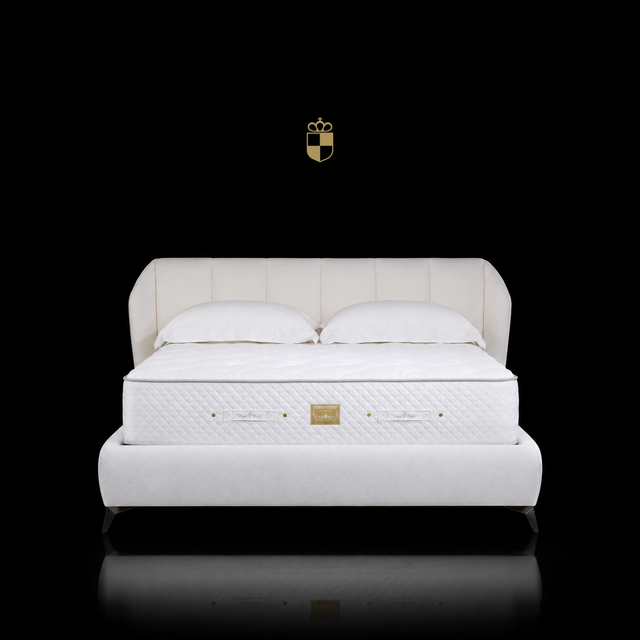
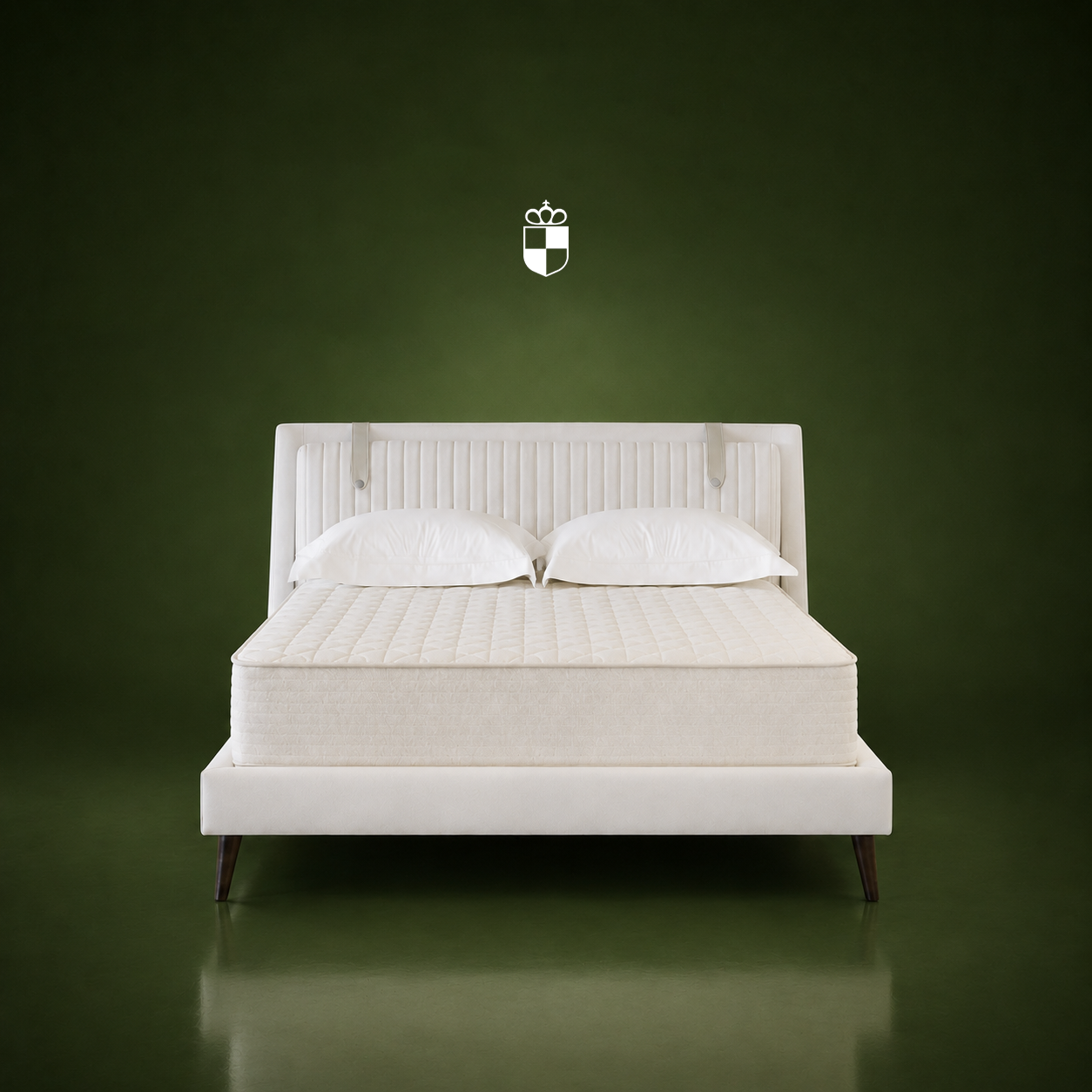
Royal-Pedic continues to build two-sided mattresses, like our Royal-Pedic Quilt-Top Mattress, because they distribute wear more evenly.
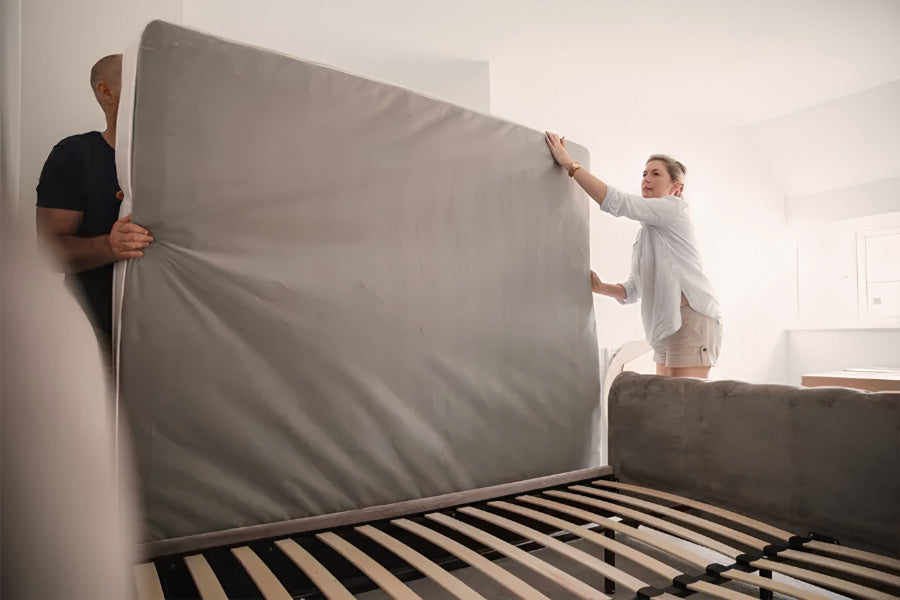
Regular flipping helps extend longevity and maintain comfort.
This traditional approach remains one of the most effective ways to maximize mattress life.
Quality Is an Investment
The goal should not be replacing a mattress frequently.
The goal should be investing in a mattress built to last.
Exceptional craftsmanship and natural materials often provide greater value over time than products designed primarily around convenience or cost efficiency.
Final Thoughts
Rather than asking how old your mattress is, consider asking:
-
Does it still support me properly?
-
Am I sleeping comfortably?
-
Does it continue to perform as intended?
A quality mattress should continue earning its place in your bedroom year after year.